Two national food journalists recently hosted a briefing for PRs working in the industry. Silver Pear attended and here’s what we learned.
Joanna Taylor (Freelance Food Writer) and Hannah Evans (Deputy Food Editor at The Times and Sunday Times), recently delved into how artificial intelligence, weight loss injections are impacting what we eat and drink and how we can maximise these opportunities for our clients.
Functional drinks 2.0
We’ve seen the era of functional drinks that are beneficial to the gut – like kombucha and kefir – but it seems we’re entering a new wave of beverages with a focus on performance and luxury convenience.
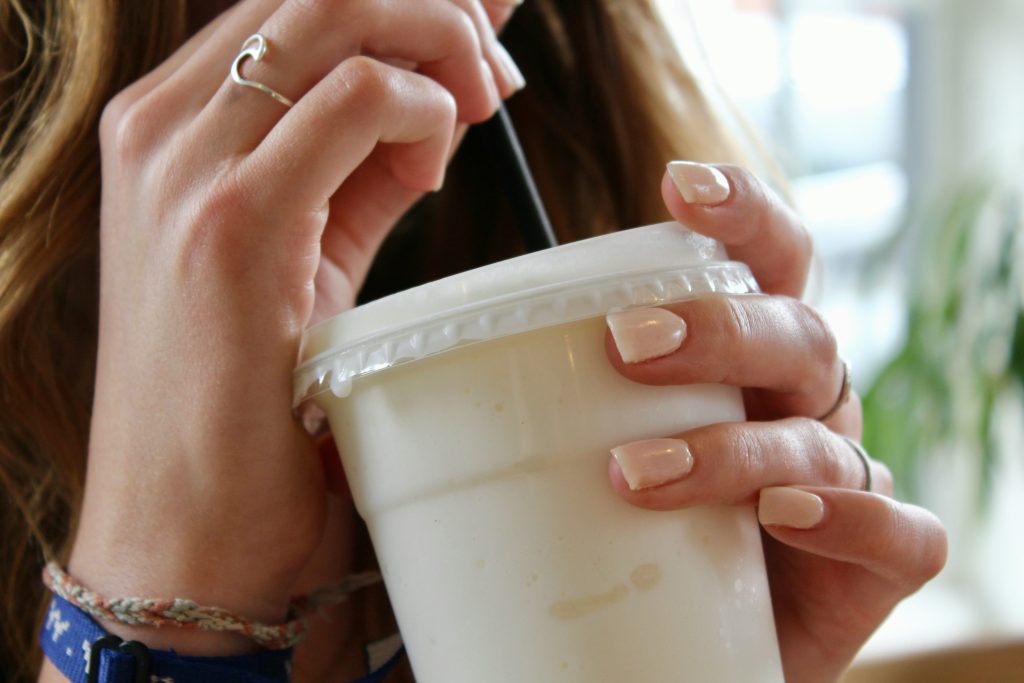
Inspired by LA’s Erewhon, this movement relates to drinks that look stylish, taste good and promise something extra – perhaps it’s glowy skin, a calm mind or a post lunchtime boost. These drinks are performance-based and promote how you can optimise yourself to support your day-to-day goals. Sexier branding, clean lines, functional ingredients and promises are epitomised perfectly in the recent opening of Elevate, and expensive performance smoothie bar on Threadneedle Street in the heart of the city of London’s financial district – prime location appealing to high performance executives who need afternoon fuel or post work out recovery shakes but who ultimately want to look and feel their best.
GLP-1 portions
As weight loss injections become more commonplace experts believe the restaurant and food industry will have to react and serve ‘Ozempic-friendly’ versions of their most popular dishes or products.
It started with OMAD (only one meal a day) appearing on dinner event dietary lists, then London restaurants have admitted to planning menus around GLP-1 users, such as half portions of puddings, and mini drinks.
Book Bars
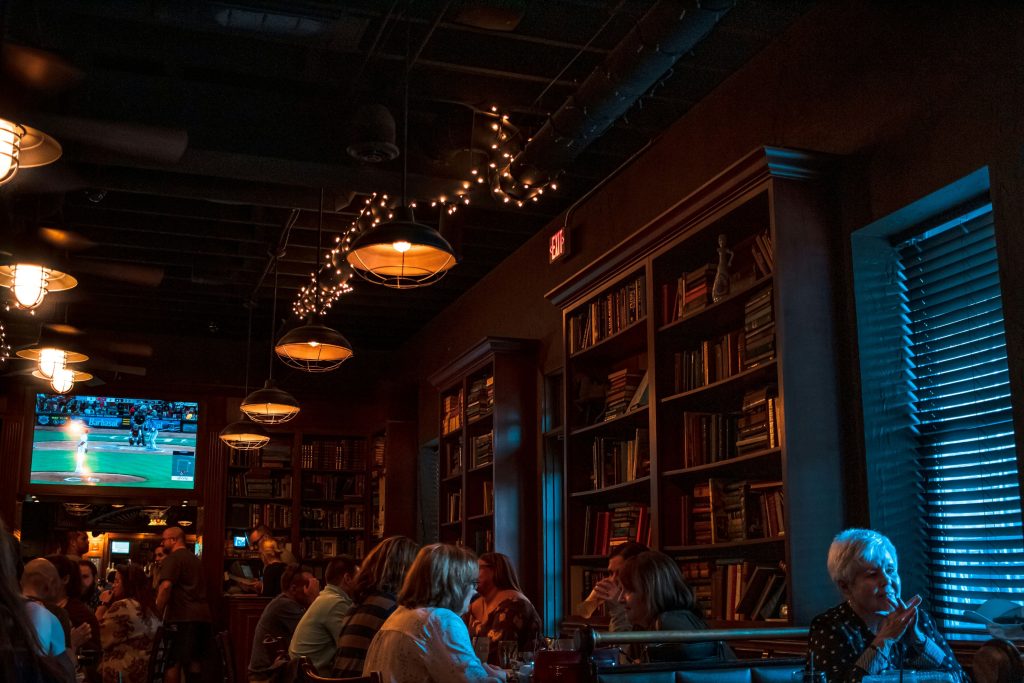
Originally a trend identified in New York, journalists have observed how restaurants are starting to consider moving out of traditional bricks and mortar, diversifying into other cultural venues, strengthening the idea that the best food doesn’t have to be served in a restaurant anymore.
Book bars are popping up around the country, including Wine in the Willows in Cambridgeshire and Bookmonger in Glasgow. Food has never been more fashionable, and the media are interested in what spaces food and drink are infiltrating and how it merges with our other hobbies.
The ‘London-ification’ of food
To differentiate and ensure a brand has an identity, journalists are frequently hearing about certain foods being tied to or “owned” by London specifically.
Now the conversation has begun, 2026 will be about refining what “the” London style actually is and how to make it a marker of cultural identity. Unlike the “New York-style bagel” or the “Chicago pizza”, few things have really stuck but there is chatter about it being laid-back, produce-led and flavour-first food.
It’s increasingly interesting how place shapes perspective and defines food, and brands will need to be aware that they can’t slap “London X” on food. There must be something specific about the process, the way it’s made, who eats and creates it that makes it relevant to a particular location within London.

We’ll be keeping an eye on how these trends materialise over the next year and what else 2026 has in store for the food and drink industry.